Yes: a season of outrigger canoeing will make you a better kayaker, and the reason is brutally simple. An outrigger canoe punishes the two habits kayakers hide behind all season, arm paddling and rushing the catch, because six paddlers in one hull feel every shortcut instantly. If your kayak stroke has plateaued, the OC6 is the cheapest coaching you will ever get. Here is what changes, what transfers, and the small amount of gear you actually need to try it.
What the Outrigger Forces You to Fix
Kayaks are forgiving. A closed cockpit, a personal hull, and a blade on each side of the boat let you muscle through bad technique for years without anyone noticing. An outrigger canoe is the opposite instrument. You kneel or sit on an open hull with five other paddlers, the boat tracks like it is on rails, and every stroke is visible to the steersperson behind you. When your blade enters late, the canoe slows and five people feel it. When you pull with your arms instead of rotating your torso, your shoulders burn out by the second buoy, not the second hour.
This is the gift of the format: feedback is instant and impossible to argue with. Outrigger coaches teach the same principle you see in every technique video on the subject, that an outrigger is pulled, not pushed. You reach, plant a quiet blade, and drag the hull forward with your whole body rotating around your spine. Sound familiar? It is the same forward stroke your kayak instructor kept asking for, only now a 400 pound canoe and five teammates make the lesson stick in one morning.
The Cadence Problem Kayakers Never Notice
Solo paddling teaches you to paddle at your own rhythm, and that habit quietly caps your speed. In an OC6 the crew paddles on a called cadence, and staying synced means your stroke rate, reach, and recovery all standardize. Paddlers who spend a season in an outrigger crew almost universally report the same thing when they return to their kayak: their stroke got shorter, cleaner, and more repeatable, and their boat speed went up without feeling harder. That is what efficiency actually feels like. A metronome you cannot ignore beats a thousand solo drills.
What Transfers and What Does Not
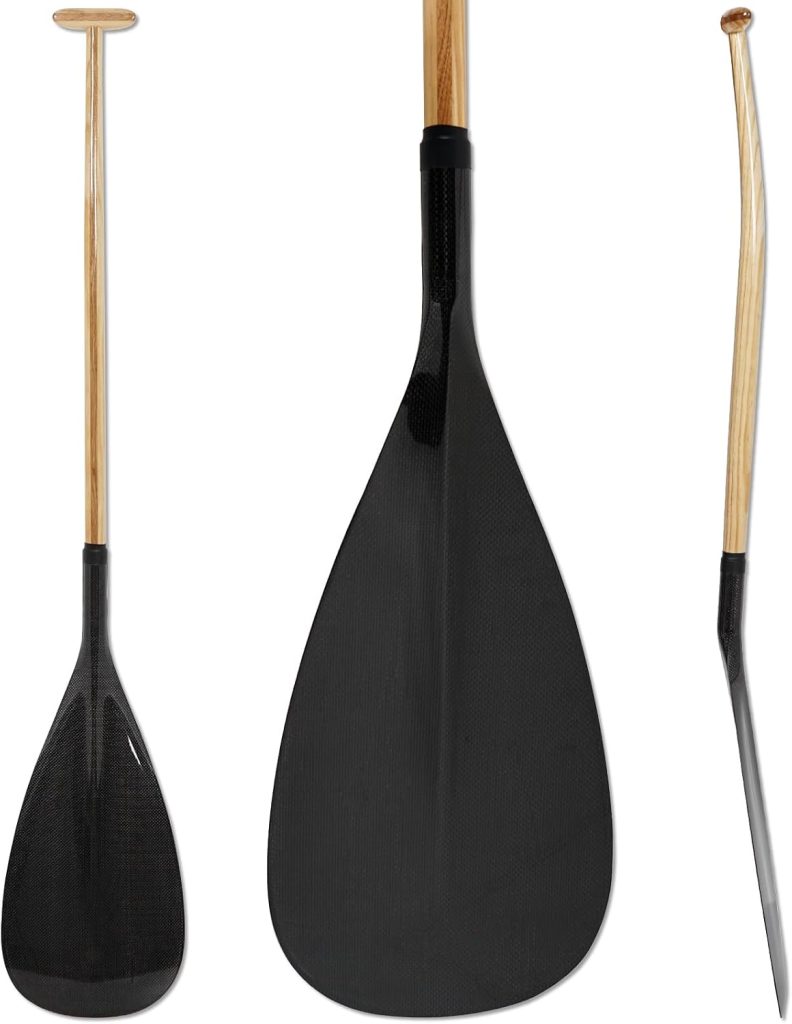
The good news for your wallet is that most of your paddling kit crosses over unchanged. Your PFD works in an outrigger, your sun gear works, your hydration habits work. The one thing that does not transfer is your paddle. A kayak blade is built for a seated, low, two-sided stroke; an outrigger paddle is a single blade with a T grip, usually with a slight bend in the shaft, sized longer and driven with a vertical plant from a kneeling or raised seat. You cannot fake it with a spare kayak paddle, and borrowing a club paddle for your first sessions is completely normal. When you are ready for your own, a hybrid entry like the LINGVUM hybrid outrigger paddle keeps the first purchase sensible while you figure out your preferred length and blade size.
Onyx MoveVent Curve Paddle Sports Life Vest
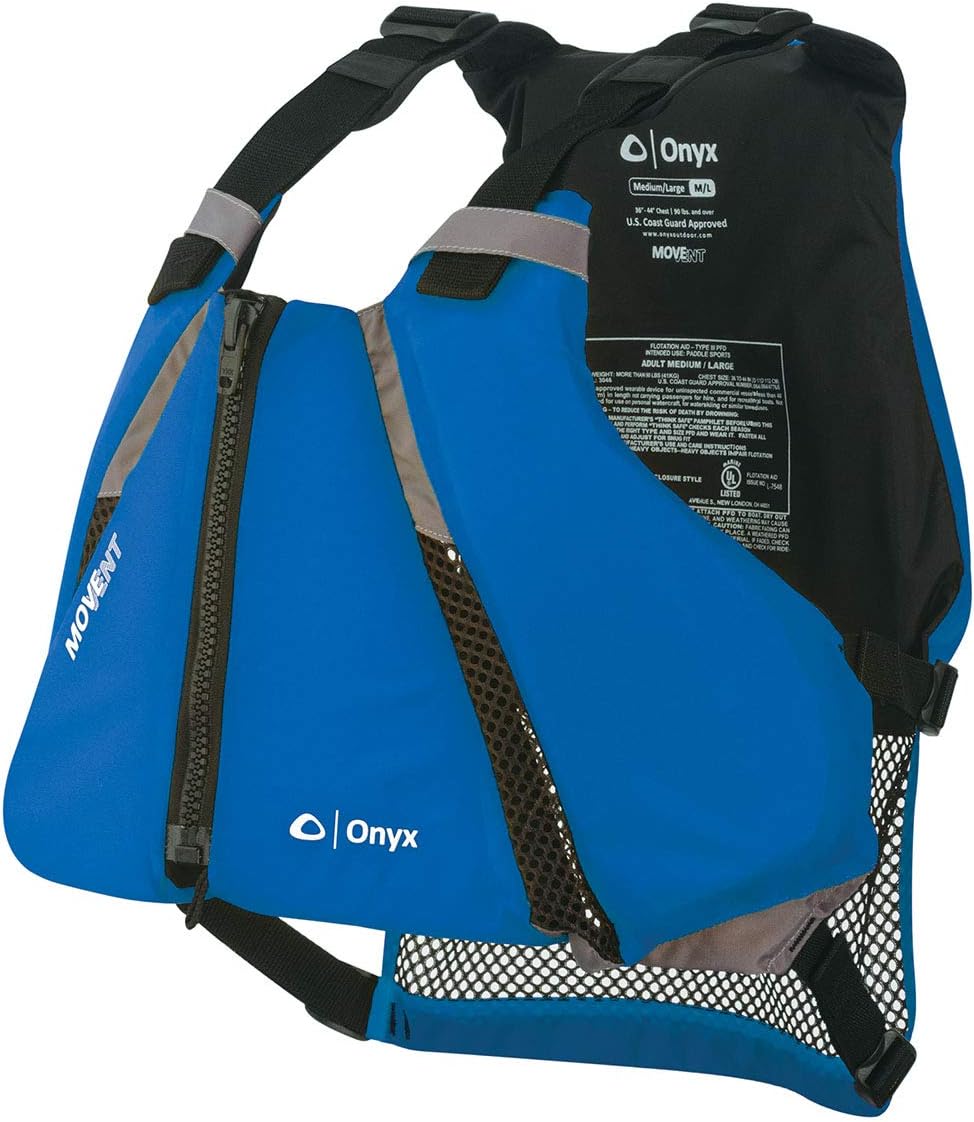
Your PFD is the one piece of kit you should already own before your first crew practice, and the Onyx MoveVent Curve is the crossover pick we keep recommending: a US Coast Guard approved Type III with mesh ventilation that keeps you cool on still mornings, a high back that clears a kayak seat, and enough adjustability to wear over a thin rash guard in summer or a wetsuit layer in fall. More than 650 ratings hold it at a 4.7 star average, which is rare staying power for a budget-priced vest. In an outrigger it gives your steersperson a clean handle to grab during a huli recovery, and in your kayak it does everything it always did.
The honest cost of paddling in an old, oversized PFD is not just discomfort: a vest that rides up when you swim is a vest you will hesitate to wear on the days conditions actually demand it. A secure, comfortable vest ends that negotiation.
LINGVUM Hybrid Outrigger Canoe Paddle
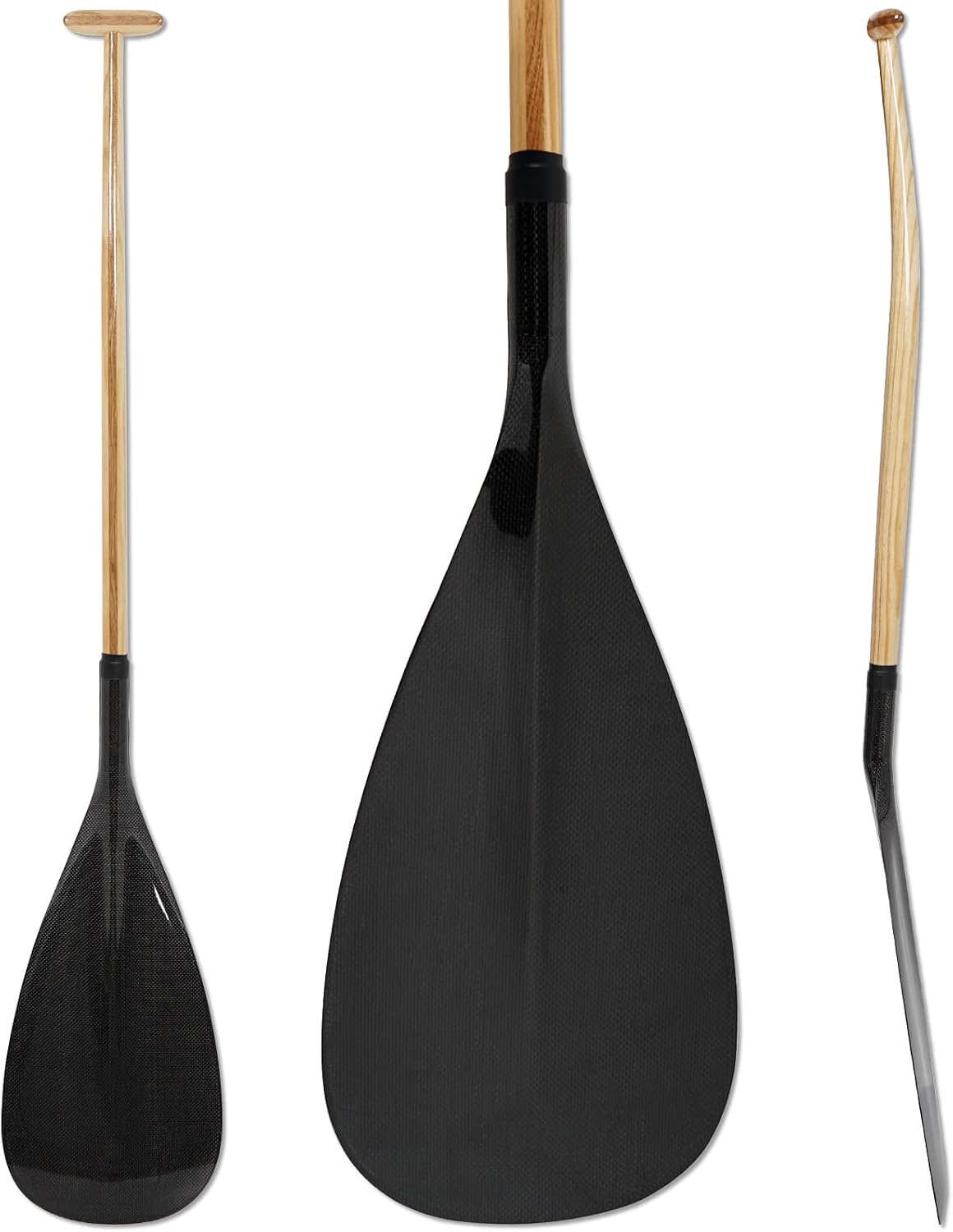
When you are ready to stop borrowing club blades, the LINGVUM hybrid outrigger paddle is a sensible first paddle: a traditional wooden shaft for warm grip and feel, a carbon fiber blade to keep swing weight down, and a classic T top handle. Early ratings hold a 4.5 star average, and the hybrid build sits in a smart middle ground between heavy full-wood beginner paddles and full-carbon race blades that cost three times more. It is the paddle equivalent of a good recreational kayak: not the fastest thing at the regatta, but the right thing to learn on, and it will still have a job in your quiver when you eventually upgrade, because wood-shaft paddles make perfect spare blades and loaners.
One honest limitation: a hybrid paddle like this is a learning tool, not a race tool. If a season in the crew pulls you toward competition, you will eventually want a full-carbon Tahitian-style blade. Cross that bridge after your first regatta, not before your first practice.
How to Try It Without Buying Anything
You do not need to own anything to test this thesis. Outrigger is a club sport by design: six-person canoes are stored, rigged, and steered by canoe clubs, and most coastal and lake cities in the US have at least one. Search for a club near you and ask about a guest paddle. Clubs routinely welcome new paddlers for a free or cheap trial session, hand you a club paddle, and put you in seat three where the workload is gentlest. Bring the PFD you already own, a hat, and a willingness to be a beginner for one morning. That single session will tell you more about your kayak stroke than a month of solo drilling, because the feedback is instant and the standard is set by the crew around you.
Who Should Not Bother
Fairness demands the counterpoint. If your paddling is 90 percent solo wilderness tripping, outrigger will not serve your main goal, and a season of forward-stroke clinics or a video analysis of your kayak stroke gets you similar gains. If you live far from any club and flat, warm water, the logistics will fight you. And if you simply do not enjoy team sports, dragging yourself to six a.m. practices will not transform anything. The crossover reward is real, but it is earned on the crew’s schedule, not yours.
Frequently Asked Questions
Is outrigger canoeing hard for kayakers to learn?
The basics come fast for experienced kayakers: you already read water, understand blade angles, and have the aerobic base. The new skills are the single-blade stroke, the T-grip hand change, and crew timing, and most kayakers pick up a serviceable stroke within a few practices.
Do I need my own paddle to try outrigger?
No. Canoe clubs keep fleets of loaner paddles for guests and new members. Buy your own only after a few sessions, once you know your preferred length and blade size.
Is outrigger canoeing a good workout compared to kayaking?
It is different: longer steady efforts at crew cadence rather than self-paced intervals. Most paddlers find OC6 training builds stronger rotational endurance and a higher sustainable stroke rate, which is exactly what transfers back to the kayak.
What PFD should I wear in an outrigger canoe?
A Coast Guard approved Type III paddle vest that fits snugly and stays put during a huli (capsize). A high-back kayak vest like the MoveVent Curve is a good crossover choice because it also works in your kayak between crew sessions.
Where can I try outrigger canoeing near me?
Search for outrigger canoe clubs in your region; most coastal cities, the Great Lakes, and Hawaii have active clubs, and many run open houses or guest paddles in spring and summer. A guest session usually costs nothing but your morning.
Your kayak season is your own, but your kayak stroke does not have to be. One season in an outrigger crew will shorten your stroke, sharpen your catch, and hand you a crew of training partners who will notice the day you slack. Grab a MoveVent Curve if your vest needs an upgrade, borrow a club paddle, and book a guest seat before the season fills.
