
Short answer: yes, dragon boat racing is the best team sport you can do on the water, and it is not close. No other sport takes 20 complete strangers, puts them in a 40 foot boat, and makes them one engine inside a single season. You get a full-body workout that torches calories in 2.5 minute races, a built-in community that shows up at 6 a.m. so you do not have to train alone, and a race calendar that can take you from your local lake to world championships. This is an argument for why you should try it, plus the honest costs and the exact gear worth buying first. If you finish this post wanting to find a crew, we have done our job.
Maybe you have felt it: the gym is fine, but it is lonely, and motivation evaporates by February. Dragon boat solves the motivation problem by making your workout depend on 19 other people. Here is the case, with real numbers.
Why 20 Paddlers Beat a Treadmill
The fitness case is straightforward. A standard dragon boat race is a 500 meter sprint, roughly 2 to 3 minutes of near-maximal effort, repeated across heats and a final. Studies cited by the International Dragon Boat Federation suggest proper synchronized technique can improve boat speed by 15 to 20 percent over a crew paddling out of sync, which is why coaches spend entire practices on timing, not strength.
The training load looks like this in a typical competitive season:
- Two to three water practices per week, each 90 minutes to 2 hours of interval paddling
- Steady-state cardio base, usually rowing machine or running, 2 to 3 sessions per week
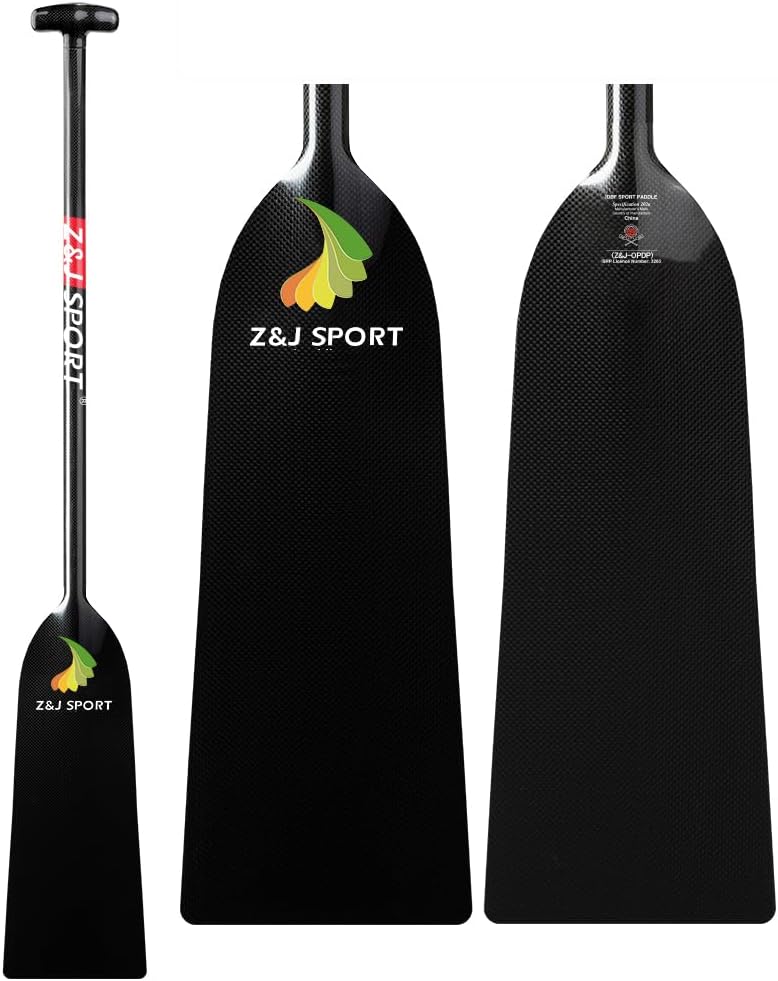
- Strength work focused on lats, shoulders, core, and grip, since a full carbon paddle like the ZJ Sport IDBF approved carbon paddle rewards strong, clean technique
The result: paddlers routinely report burning 400 to 600 calories per practice without once staring at a clock on a treadmill. Before dragon boat, cardio was a chore you skipped. After one season, you notice you are the person who volunteers for the stairs.
The Real Reason People Stay
Ask any long-term dragon boater why they stayed, and almost none of them say fitness. They say community. The boat forces interdependence: if your section of the boat is late on the catch, everyone feels it. That shared accountability builds friendships faster than almost any adult activity we know.
The sport is also unusually welcoming. Clubs like Dragons Abreast, a global network of breast cancer survivor teams, race at every level. Community teams welcome complete beginners with free open houses in spring and summer, and most charge around $100 per season, less than two months of a boutique gym membership. For gear, clubs usually provide boats and drums; you bring a paddle, a seat pad, and a PFD.
Before dragon boat, your social circle was whoever happened to live nearby. After one season, you have 20 training partners who notice when you miss a practice. That is the transformation nobody puts on a flyer.
What It Actually Costs to Start
Here is the honest math for a first season:
- Club dues: roughly $100 per season, sometimes less for community teams
- Race entry fees: $20 to $60 per festival, usually optional your first year
- Paddle: $110 to $195 for a quality carbon IDBF approved paddle
- Seat pad: $25 to $30, and your tailbone will thank you from practice one
- PFD: $55 and up for a proper paddle sports vest
Total realistic first-season spend: under $400, and much less if your club lends club paddles while you learn. The cost of inaction is steeper than it looks: another year of unused gym membership is $300 to $600, and it never once put you on a starting line.
The One Piece of Gear That Matters: Your Paddle
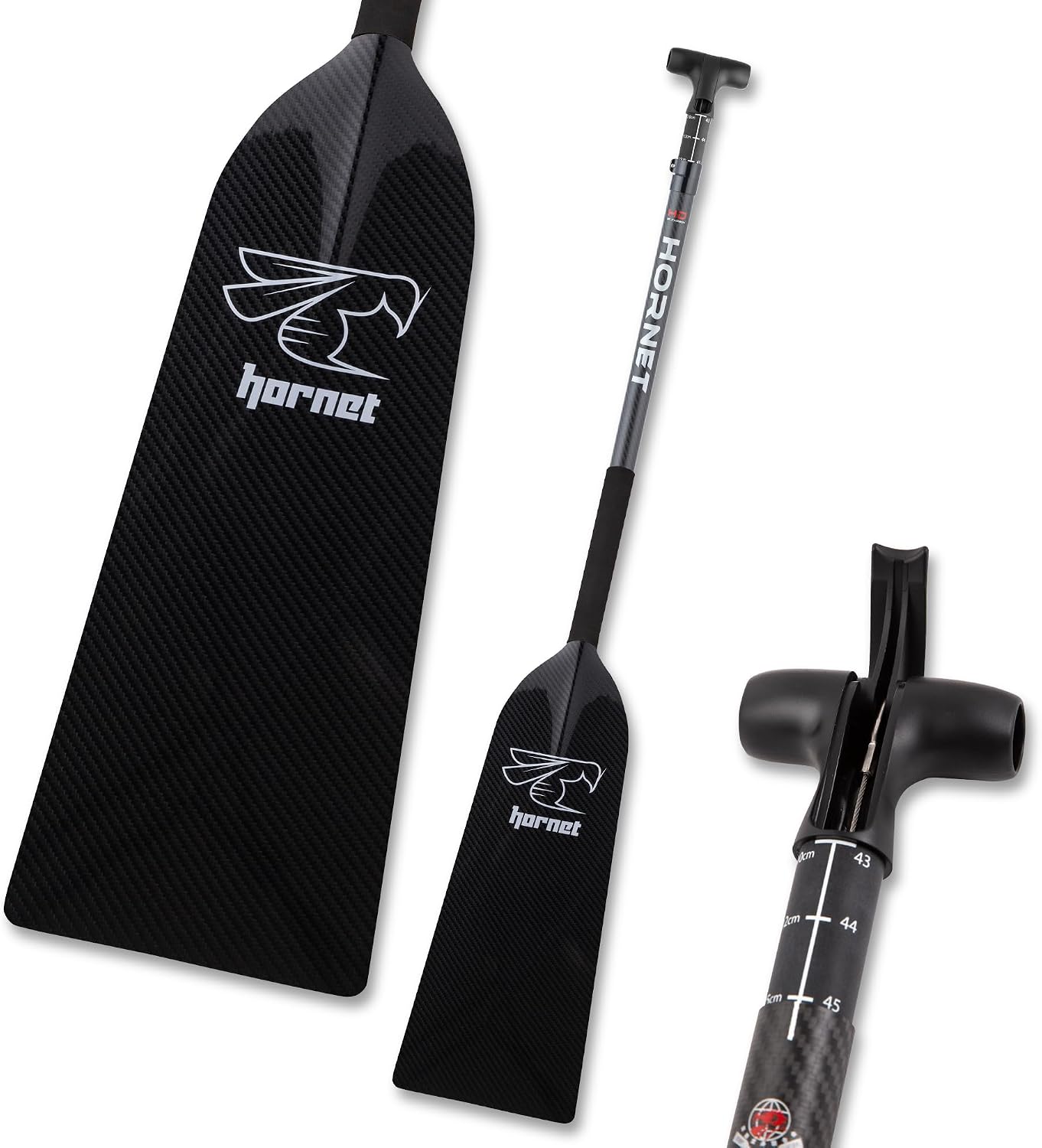
Race rules allow paddles between 106 and 130 centimeters, and nearly every competitive paddler uses carbon fiber. Our top pick for a first serious paddle is the Hornet Watersports Black Glossy adjustable carbon paddle at $167.99, IDBF approved with a 4.7 out of 5 rating. The adjustable length means it grows with your technique, and it survives the transition from novice to racing crew.
Two strong alternatives: the ZJ Sport full carbon T-handle paddle ($165, 4.6 out of 5 across 110 ratings) is the value benchmark, and if budget is tight, the lightweight full carbon paddle with included bag at $110.39 carries a 4.8 out of 5 rating and bundles a paddle bag for free. Taller paddlers or those who want a finer fit range should look at the ZJ Sport adjustable model ($195, 4.5 out of 5), which spans 110 to 132 centimeters.
The success picture: your first race, drum beating, 19 blades entering the water at the same instant as yours. The wrong paddle, one that is too long or too heavy, quietly ruins that moment for weeks before you realize why your shoulders ache.
The $25 Upgrade That Saves Your Season

Dragon boat seats are hard fiberglass. Two practices in, an unprotected tailbone will make you invent excuses to skip the third. The Hornet Watersports dragon boat seat cushion ($24.99, 4.6 out of 5 across 177 ratings) is the standard fix: a grippy pad that stays put through race starts. The neoprene version ($24.99, 4.3 out of 5) is the upgraded pick for hot climates because it breathes better.
Protect the paddle you just bought, too. A Dragon Guard tip protector ($9.99, 4.9 out of 5) prevents the chipped blade edges that come from clattering around boat racks, and a roll of Hornet silicone grip tape ($11.99, 4.4 out of 5 across 489 ratings) fixes slippery shafts in the rain. Toss it all in the Hornet dragon boat paddle bag ($39.99, 4.6 out of 5) and you look like a veteran on day one.
Do Not Skip the PFD
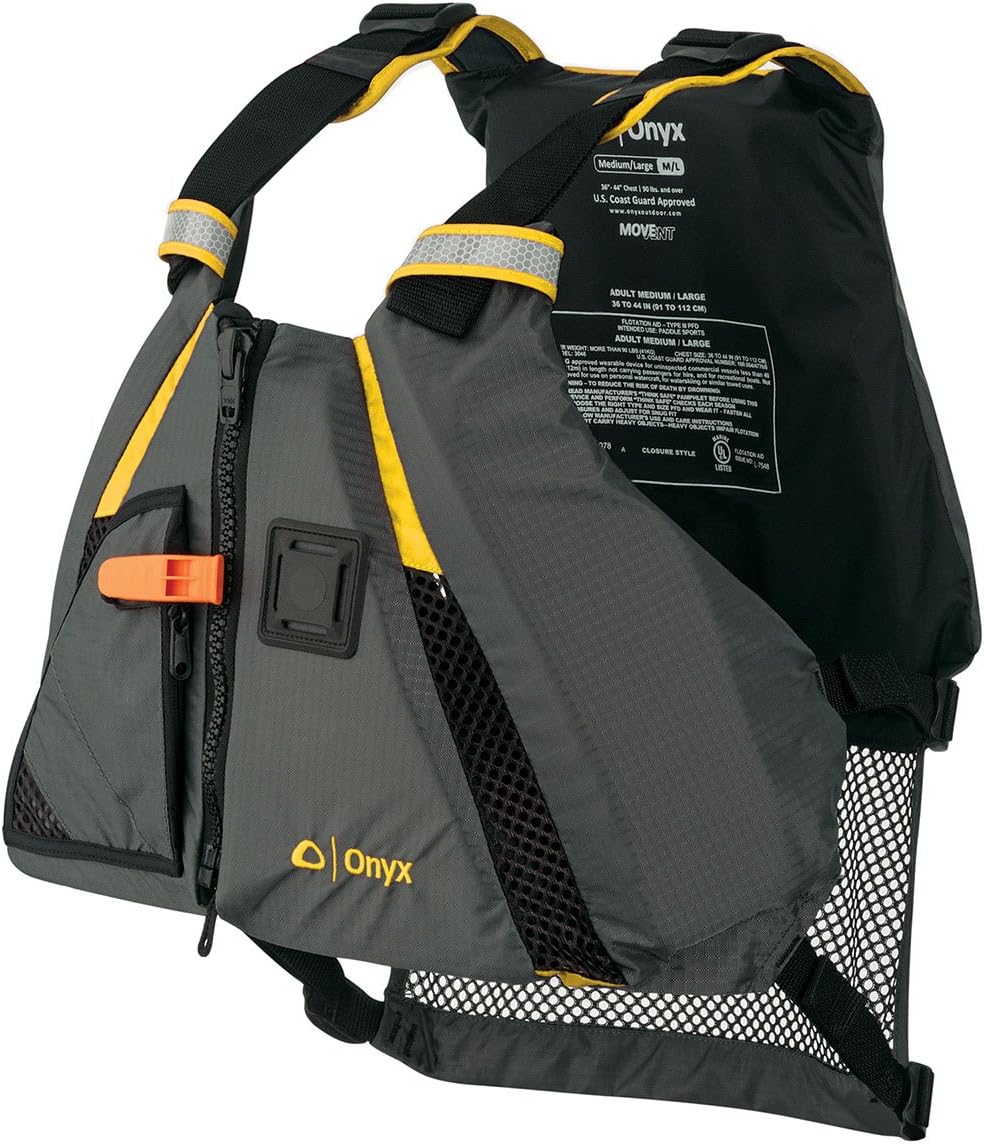
Race rules require a personal flotation device, and this is the one item where cheap really does fail. The Onyx MoveVent Dynamic ($55.44, 4.8 out of 5 across 3,840 ratings) is the vest you see on dragon boat docks everywhere: mesh ventilation so you do not overheat during 2 hour practices, a high back that clears boat seats, and a lash tab for a rescue whistle. It is US Coast Guard approved and comfortable enough that you will actually wear it, which is the entire point.
The Honest Downsides
We would be selling you something if we skipped this part. Dragon boat asks for early mornings, because flat water lives at sunrise. It asks for your weekends during festival season. Competitive crews ask for gym work between seasons. And a carbon paddle like the ZJ Sport carbon paddle is an investment that only pays off if you actually show up. If your schedule cannot absorb two fixed practices a week, a solo sport like SUP or kayaking fits better, and we say that without hesitation.
There is also the blade care reality: carbon edges chip if you treat them like rental gear, which is why the sub-$10 Dragon Guard tip protector earns its keep every single practice.
How to Try Dragon Boat This Month
The barrier to entry is lower than any other boat sport, because you do not need to buy a boat, store a boat, or transport a boat. The club has the boat. Here is the exact sequence:
- Search for a club or festival near you. Most cities within an hour of open water have at least one crew, and summer festivals run beginner divisions.
- Email about a free open house or trial practice. Clubs run them every spring and summer, and they exist precisely for you.
- Go twice before buying anything. Use the club paddle, confirm the 6 a.m. schedule fits your life, then buy gear.
- Buy in this order: seat pad first, then PFD, then your own carbon paddle once you know your length.
Cost of inaction, stated plainly: every festival you skip is a weekend you could have spent racing instead of scrolling. The boats are already at the dock. The only missing seat is yours.
Frequently Asked Questions
Do I need experience to join a dragon boat team?
No. Most clubs are built around beginners, and coaches expect to teach the stroke from zero. If you can show up consistently, you are qualified.
How fit do I need to be before my first practice?
Basic swimming ability and a willingness to be uncomfortable for 90 minutes are enough. Fitness is what you build in the boat, not a prerequisite for it.
What does a dragon boat race feel like?
A 500 meter race is roughly 2.5 minutes: the first 20 strokes are pure adrenaline, the middle is about holding form while your lungs burn, and the final 100 meters are a full-crew sprint to the drum beat. Crews describe the best races as a single shared heartbeat.
Is dragon boat racing expensive compared to other paddle sports?
It is one of the cheapest. You share the boat, so your only real costs are club dues around $100 a season, a $150-ish carbon paddle, a seat pad, and a PFD. Kayak and SUP ownership start higher and climb from there.
Can older adults and survivors race?
Yes, and the sport is famous for it. Survivor teams, senior divisions, and mixed crews race at every festival. The drummer and steersperson roles value experience over raw power.
